

III: The Support Gap
Despite the difficulties many students face, a substantial number are not connected with available supports. The issue is not only whether resources exist, but whether students know about them, trust them, and can access them when needed.
Trellis data show that among students experiencing food insecurity, 34 percent of respondents at two-year institutions and 41 percent of four-year respondents were either unaware that their campus had a food pantry or incorrectly believed that no such resource existed. Similarly, about a quarter of food insecure respondents in the Hope data reported being unaware of the on-campus food pantry at their institution.
Many Students at Two-Year Institutions are Unaware That Their Campus Has a Food Pantry.
Student Responses to the Question: “Does Your Campus Have a Food Pantry?” at Two-Year Institutions
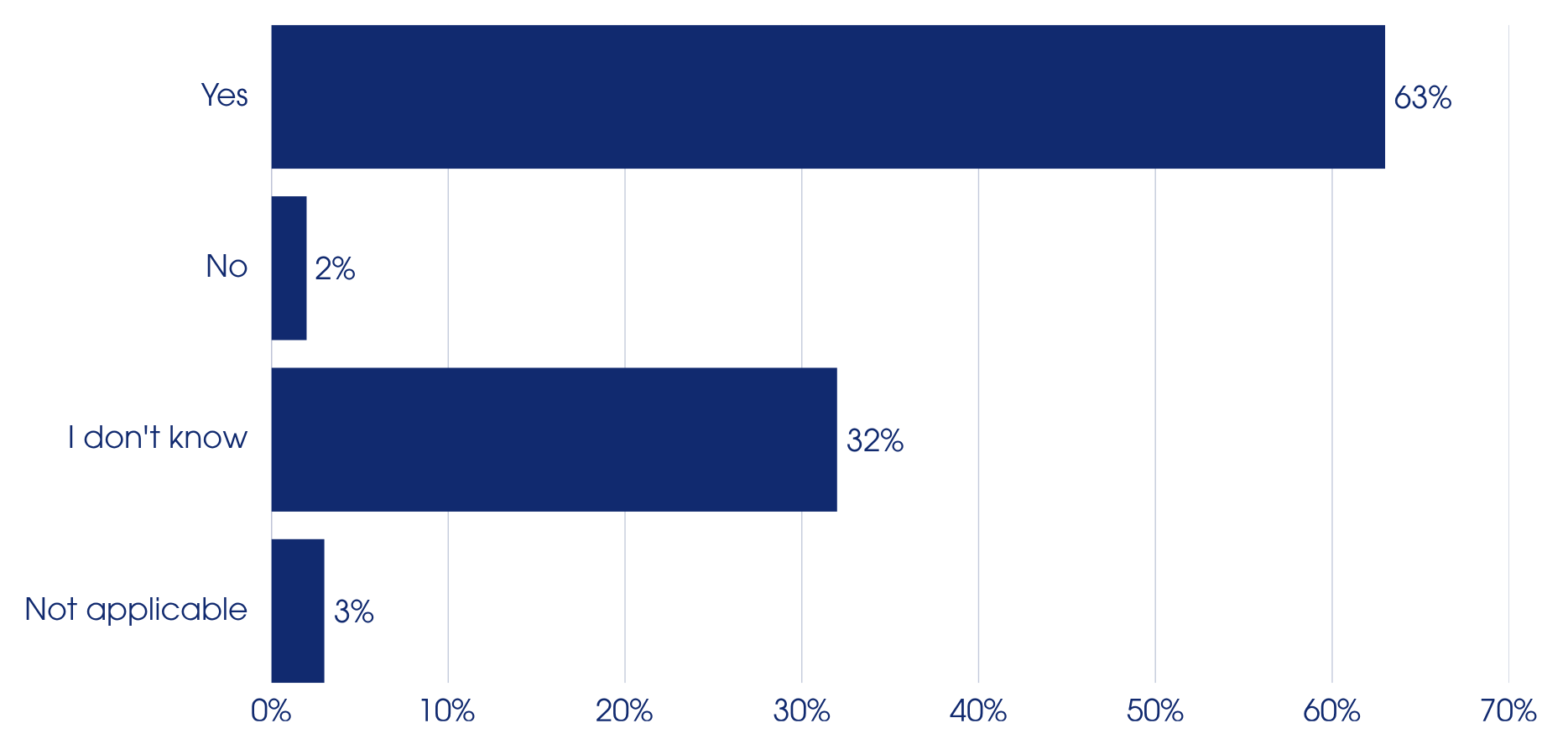
Note: Calculation includes only respondents at institutions that had a food pantry. Values are the proportion of respondents from two-year institutions who provided each response. Data from Trellis' Student Financial Wellness Survey item "Does your school have a food pantry or food closet on campus?" Many Students at Four-Year Institutions are Unaware That Their Campus Has a Food Pantry.
Student Responses to the Question: “Does Your Campus Have a Food Pantry?” at Four-Year Institutions
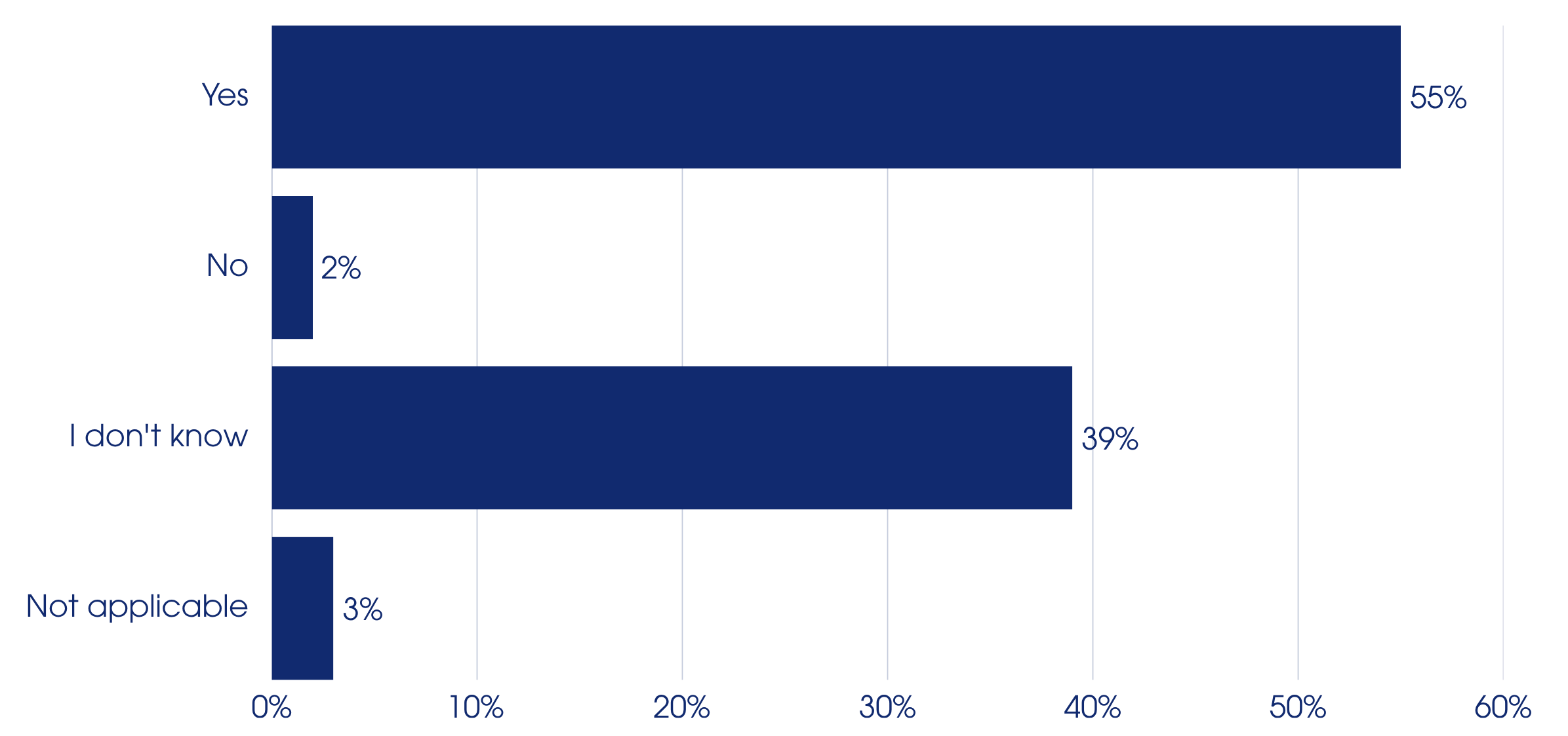
Note: Calculation includes only respondents at institutions that had a food pantry. Values are the proportion of respondents from four-year institutions who provided each response. Data from Trellis' Student Financial Wellness Survey item "Does your school have a food pantry or food closet on campus?" 
Even among students experiencing food insecurity, use of food resources remains limited.
In the Hope data, just 24 percent of food insecure respondents reported using an on-campus food pantry since the beginning of the year. In the Trellis data, 27 percent reported visiting a food pantry, either on or off campus.
Utilization of the Supplemental Nutrition Assistance Program (SNAP) benefits was even lower. Only 20 percent of food insecure respondents in the Hope data, and 24 percent in the Trellis data, reported receiving SNAP benefits. Further, over half (57 percent) of food insecure respondents in the Trellis data had not visited a food pantry or received SNAP benefits. These findings suggest that many students experiencing food insecurity remain disconnected from resources designed to support them, highlighting an important opportunity for institutions to strengthen awareness, outreach, and access efforts.
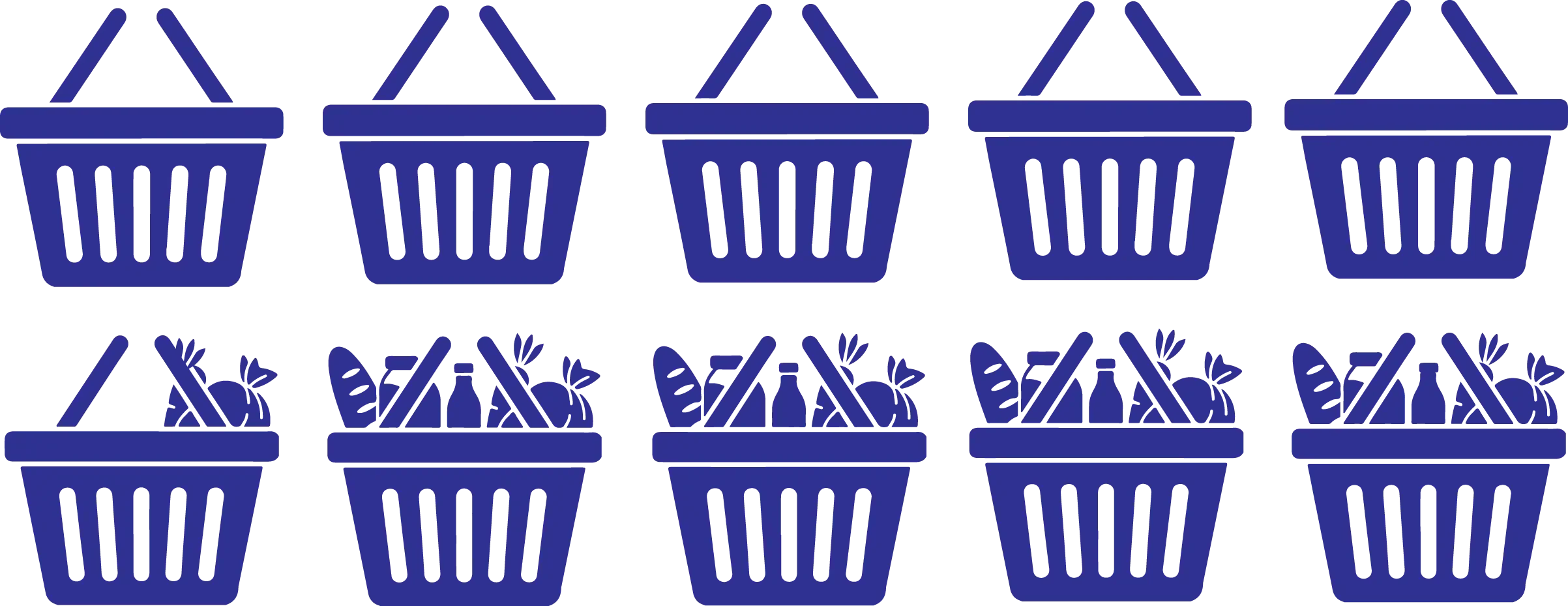
57% of students experiencing food insecurity accessed neither food pantries nor SNAP benefits.


Only 10% of students experiencing food insecurity utilized both food pantries and SNAP benefits.
When food insecure students were asked about the barriers they experience in accessing campus benefits, the most common (reported by 76% of food insecure students) was that students were not made sufficiently aware of what supports were available or who was eligible to use them. Students also reported that resources were only available when they were in class or at work (31%) and that even though they themselves were food insecure, they worried about taking resources that other students might need more (29%). Stigma around accessing resources was still a factor as well, with 10% of students reporting that barrier.
For food insecure students, the greatest barrier to accessing campus basic needs resources is a lack of awareness.
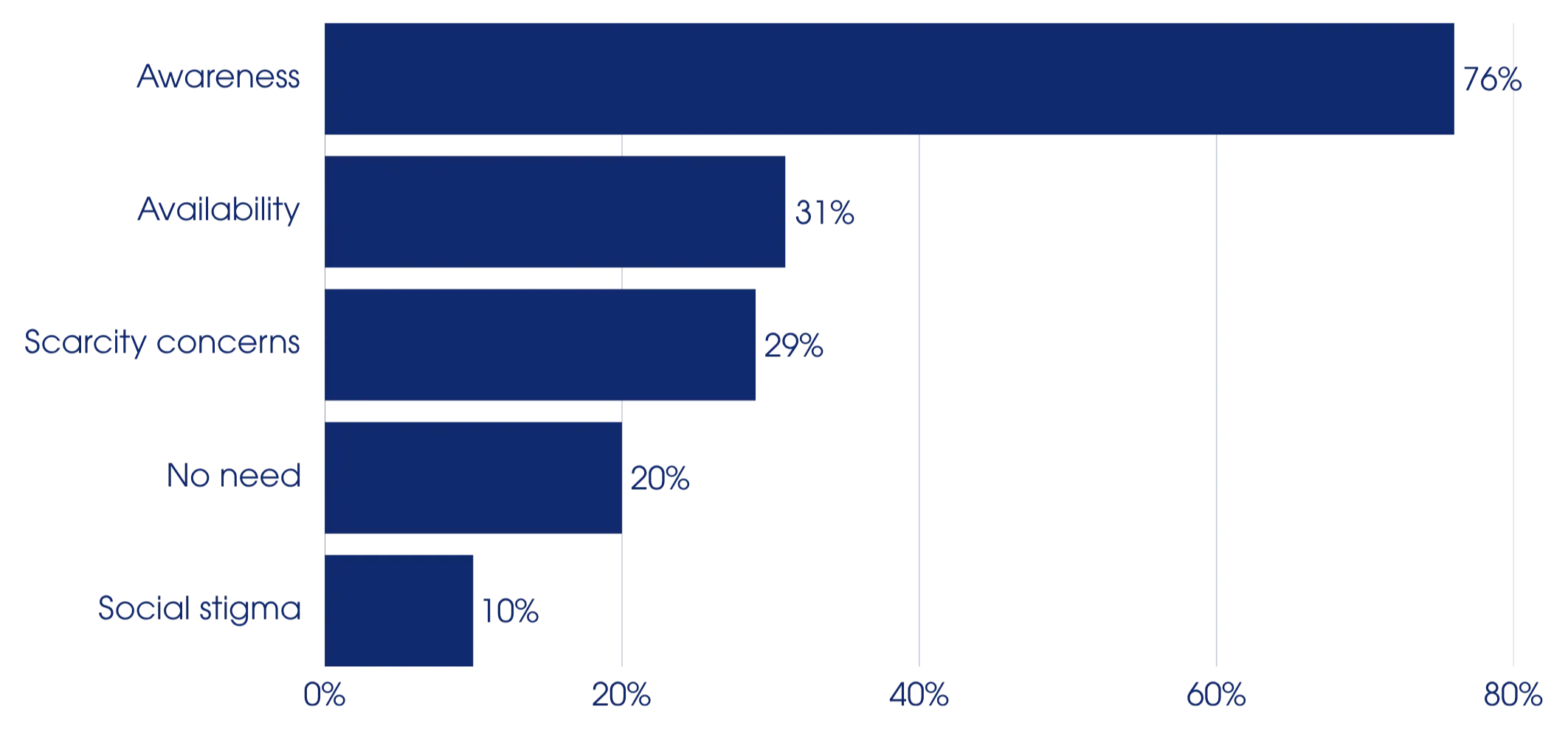
Note: Values are the proportion of food insecure respondents who reported experiencing that barrier to accessing campus basic needs resources (students could select all barriers that applied). Awareness barriers included students not knowing that the resources existed, whether they were eligible, or how to access the resources. Availability barriers included not having enough time or having other obligations when services were available. Scarcity concerns included other people needing resources more than they did. No need indicates students reported they did not need resources. Social stigma included concerns about how other might view them or being mistreated due to their identities. Data from The Hope Center's Student Basic Needs Survey.